

Benefits of Fibreglass Steps: A professional standard for safety, strength, and reliability
18/02/2026
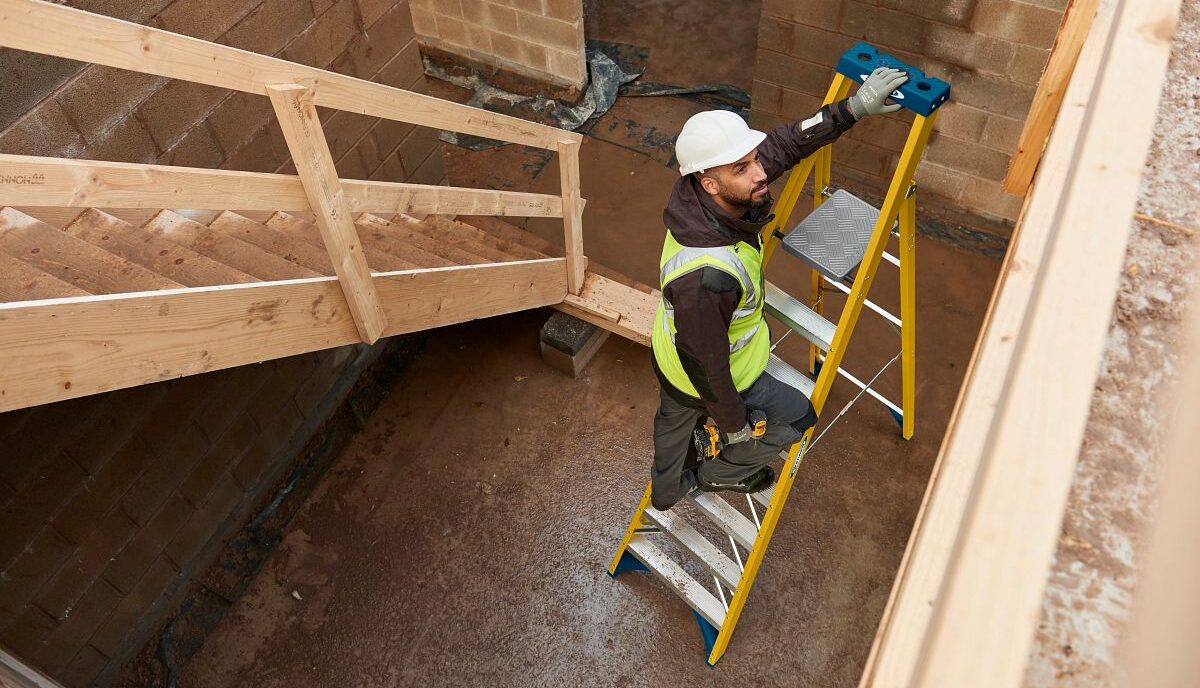
Choosing the right access equipment is necessary for safety, efficiency, and compliance when working at height. There has been an increase in businesses choosing fibreglass steps for the workplace.
Their strength, non-conductivity, and cost over traditional timber options make them a better choice. This guide covers the benefits and uses of fibreglass steps, and explains why they are a smart, long-term investment in workplace safety and performance.
Table of Contents
- What are fibreglass steps?
- Electrical safety advantages of fibreglass steps
- Outstanding durability and long-term performance
- Equal stability and user confidence
- Low maintenance and cost efficiency
- Staying safety compliant
- Suitable for all industries
- Why choose fibreglass steps?
- FAQs
What are fibreglass steps?
Fibreglass steps are made from glass-reinforced plastic (GRP), a material known for its strength and lightweight nature. They’re ideal for high usage, where safety and durability are essential.
Fibreglass does not conduct electricity, unlike aluminium. This makes it ideal for workplaces with chemicals or live electrical parts. Fibreglass steps help lower the risk of accidents, boost employee confidence, and perform well for many years.
For organisations that want to reduce risk and stay compliant, fibreglass steps are a smart way to improve access safety.
Electrical safety advantages of fibreglass steps
A key benefit of fibreglass steps is that they do not conduct electricity. This makes them the safest choice for areas with electrical hazards.
Utilising fibreglass steps greatly lowers the risk of electric shock, which is vital protection for anyone working with electricity, and helps businesses meet safety rules.
Outstanding durability and long-term performance
Fibreglass steps are made to last; their strong build resists damage, wear, and harsh conditions, so they keep working well over time.
We see fibreglass steps surpass standard materials in:
- High-traffic industrial environments
- Outdoor and exposed locations
- Chemical and manufacturing facilities
Fibreglass does not absorb moisture or rot like timber, therefore maintaining its non-conductivity properties. This leads to fewer replacements, less downtime, and lower overall costs.
Equal stability and user confidence
Stability is vital when working at height. Fibreglass steps have strong side rails, wide treads, and anti-slip surfaces to keep users safe.
Because of their strength, fibreglass steps provide reduced flex under heavy load, enhanced grip for secure footing and improved balance during use. This allows users to work confidently and reduces the likelihood of slips or falls.
They are also weather-resistant, which means users can stay safe and confident that their steps are protected in any weather, from rain to prolonged UV exposure.
Low maintenance and cost efficiency
Fibreglass steps may cost more at first, but they offer great long-term value. Their resistance against corrosion and wear means less maintenance is needed.
Their cost benefits include minimal servicing needs, extending service life. The long-term value means your expenses are kept down while your safety standards are high.
Staying safety compliant
Fibreglass steps are made to meet strict safety and load standards. This ensures your business is following workplace rules and industry guidelines.
We depend on compliant fibreglass steps to:
- Support risk assessments
- Meet inspection requirements
- Reduce liability exposure
Using certified equipment shows your commitment to safety and professionalism.
Suitable for all industries
Fibreglass steps are flexible and work well in many settings. We see them used in many industries, such as:
- Construction and building maintenance
- Electrical and mechanical services
- Warehousing and logistics
- Healthcare and education
Because they are so versatile, it means most businesses can use the equipment anywhere, making training and safety management easier.
Why choose fibreglass steps?
When safety, durability, and compliance matter most, fibreglass steps are the professional standard. Not only do they exceed safety expectations across many industries, but they also offer long-term value.
FAQs
Are fibreglass steps safer than aluminium steps?
Yes. Fibreglass steps are non-conductive, making them significantly safer for electrical work and locations where live circuits are present.
Do fibreglass steps require special maintenance?
No. Fibreglass steps are low-maintenance and resistant to corrosion, moisture, and chemical exposure.
Can fibreglass steps be used outdoors?
Yes. They are highly resistant to weather conditions, including rain, UV exposure, and temperature changes.
Are fibreglass steps capable of heavy-duty use?
Absolutely. They are built to support professional workloads and maintain high support under load.
Do fibreglass steps meet safety regulations?
Yes. Quality fibreglass steps are manufactured to meet relevant safety and load-bearing standards.